Hiroshima in the rain:
thinner than anyone admits.
The Peace Memorial Museum, the covered arcades, an okonomiyaki counter and three art museums. That is most of the list, and Miyajima in rain is a wasted ferry crossing. Here is how to sequence what there is, and the one outdoor place a wet day actually improves.
Be warned that this list is short. Indoors, Hiroshima gives you the Peace Memorial Museum at ¥200, half a kilometre of covered arcade, an okonomiyaki counter, and three art museums at ¥2,500, ¥510 and ¥350. That is close to the whole honest total. Do not spend a wet day on Miyajima — the torii, the walk on the sand and Mount Misen are all weather-dependent and the ¥200 crossing buys you a queue in a raincoat. The one outdoor place rain improves is Mitaki-dera.
July is the wettest month here, not August
The climate, correctedAlmost every English page about Hiroshima's weather has this backwards, and it changes which month you should be worried about.
The JMA 1991–2020 normals for Hiroshima are unambiguous. July is the wettest month at 279.8mm, followed by June at 226.5mm and September at 162.7mm. August is 131.4mm — drier than June, July or September. The annual total is 1,572.2mm, and June and July together are about 32% of it. Tsuyu, the rainy season, normally runs from about 6 June to 19 July.
So if you are choosing dates to dodge rain, the month to avoid is July, and the fortnight to avoid is the first half of it. August's problem is not water — it is heat. The average daily maximum is 32.8°C and, more punishingly, the average overnight low is 25.1°C: the city does not cool down, so an evening walk in mid-August is not the relief you are expecting. September carries typhoon risk on top of 162.7mm.
The best weather-versus-crowds window for this city is late November to early December, when rainfall drops to 69.3mm in November and 54.0mm in December and Shukkeien's maple peaks. The runner-up is late May: after Golden Week, before tsuyu. Both are on the best-time-to-visit page.
Hiroshima is a comfortable, well-run, entirely ordinary mid-size Japanese city. The bomb took the old fabric and the rebuild was practical rather than picturesque. Come for the Peace Park, the island and the food — not for the streetscapes. The mistake almost everyone makes is giving the important part four hours and the ordinary part none.
How wet each month actually is
Rainfall by monthJMA 1991–2020 normals. The bar is rainfall relative to the wettest month.
Annual rainfall is 1,572.2mm, and June and July together are about 32% of it. If your dates are flexible at all, that one sentence is worth more than the rest of this page.
Everything genuinely indoors, ranked
ComparedThis is the complete honest list, not a padded one. Tram fares are the flat ¥240 ($1.52); the ¥700 ($4.44) day pass pays from ride three, which a wet day comfortably reaches.
| Wet-day option | Price | Time | How dry | Verdict |
|---|---|---|---|---|
| Peace Memorial Museum | ¥200 ($1.27) · audio guide ¥500 | 2–3 hours | Completely — and it is the reason you came | Not badged — see the page |
| Hondori and the covered arcades | Free | 30 min–2 hours | Roofed for about half a kilometre | WORTH IT |
| An okonomiyaki counter | Micchan ¥960 · Nagataya ¥1,000–1,999 | 40 min | Completely, and warm | WORTH IT |
| Prefectural Art Museum + Shukkeien | ¥660 combined ($4.19) | 100 min | Museum yes, garden no | WORTH IT |
| Hiroshima Museum of Art | ¥2,500 ($15.85) | 60–75 min | Completely | DEPENDS |
| MOCA Hiroshima | ¥350 ($2.22) | 75–90 min | Completely — but a 10-minute uphill walk to it | DEPENDS |
| National Peace Memorial Hall | Free | 30–45 min | Completely — it is underground | Not badged — see the page |
| Teishin Hospital annex | Free · closed Mondays | 45 min | Completely | Not badged — see the page |
| Mitaki-dera | Free | 90 min door to door | Not at all — and it is better for it | WORTH IT |
| Hatchobori department stores | Free to browse | 60 min | Completely | DEPENDS |
| Saijo breweries | Free entry · Kamotsuru tasting ¥500 cash | Half a day | Breweries yes, the walk between them no | DEPENDS |
| Miyajima | ¥200 ferry + ¥100 tax | Half a day | No — and the torii, the sand and Misen all need weather | SKIP |
The two rows that decide a wet day: Prefectural Art Museum plus Shukkeien on the ¥660 combined ticket is the best-value indoor block in the city, and Miyajima is the thing to move. If your island day is forecast wet and any other day is not, swap them — that single decision is worth more than everything else on this page. Hiroshima oysters are a winter dish — roughly October to March, peaking December to February. Come in July and you'll find the farmed summer Kaki Komachi variety and a lot of restaurants simply not doing oysters. The grilled-oyster stalls and the festivals are a November-to-March thing.
How to actually spend a wet day here
The sequenceChain the covered bits. Hiroshima's centre is walkable but almost none of it has a roof, and the roof it does have runs in one line.
07:30 — the museum, before anyone. It opens at 7:30 year-round, not 8:30 as widely reported, and the 07:30–08:30 slot is reservation-only, capped at about 300. On a wet day that hour is the single best thing available in the city: dry, empty, and the reason you are here. Allow 90 minutes to two hours. From 8 to 16 August 2026 the Peace Memorial Museum takes no walk-ups at all: online reservation only, capped at 1,000 people an hour, released 90 days ahead. Outside that window the 11:00–14:00 block is pre-booked entry only. The museum opens at 7:30 and almost nobody uses it.
10:00 — the 15-minute wet dash. From the park, the east side takes you to Hondori's west end in about five minutes. Once you are under the arcade you can stay dry as far as Hatchobori.
12:00 — an okonomiyaki counter. Layered, with noodles, cooked on the plate in front of you: the correct wet-day lunch, and one you sit at rather than queue in the rain for. Micchan Sohonten and Nagataya are both closed on Tuesdays and walk-in only, which matters more on a wet day when everyone has the same idea. Details on the okonomiyaki page and where locals eat.
13:00 — the free hour nobody uses. The museum's English legacy-successor talk runs 13:00–14:00 daily, free, no booking, in the East Building Basement 1. On a wet afternoon it is both the best-value and the most substantial hour on offer. See hibakusha testimony.
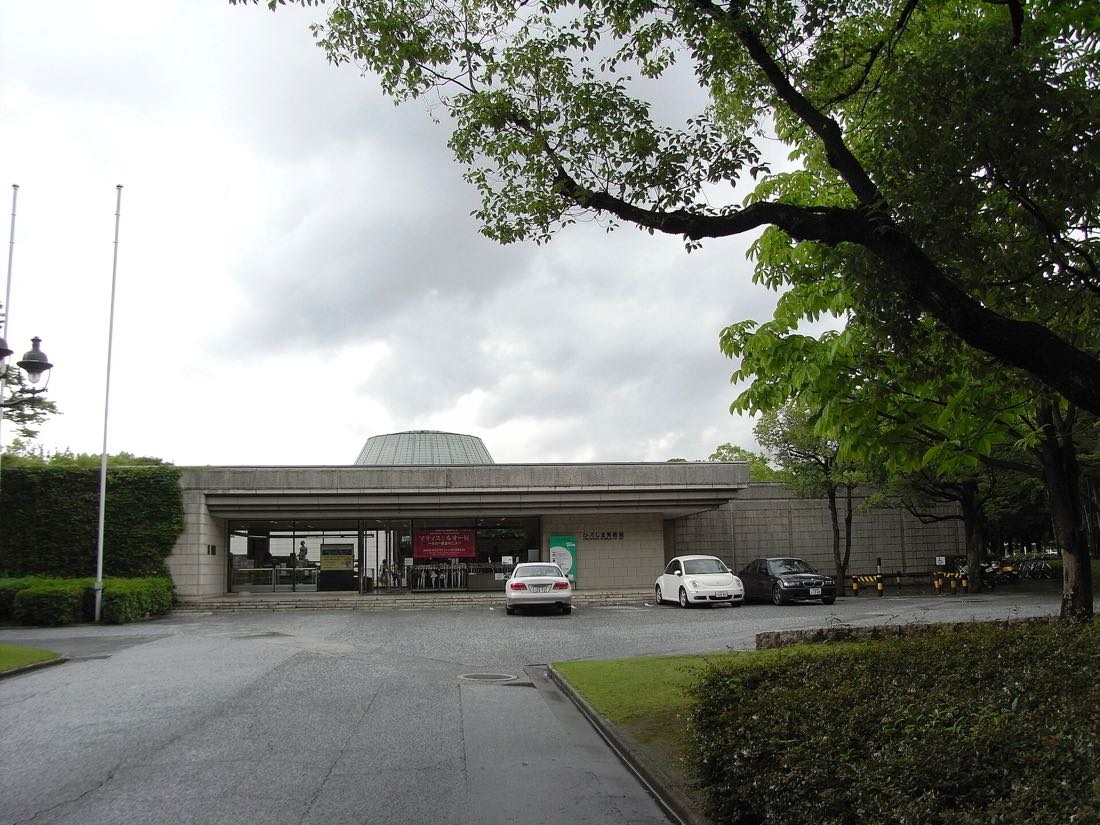
14:30 — pick one museum. The ¥660 combined ticket for Shukkeien and the Prefectural Art Museum is the value answer; the garden gets you wet but the museum's garden-facing window is the best place in the city to watch rain. Alternatives are on the art museums page. Remember all three art museums close on Mondays; the garden does not.
Evening — indoors and cheap. Nagarekawa and the eating streets around the arcade are the wet-night answer, and they are covered on the night page. If you need a taxi, fares rose about 10.27% on 5 December 2025 — expect ¥700–800 flagfall, then ¥100 per roughly 300m, with a 20% surcharge between 22:00 and 05:00. GO, Uber Taxi and DiDi all work in Hiroshima; S.RIDE does not.
A wet day in Hiroshima, practically
Plan your visitThe wet-day bookings that are actually worth it
Book itA cooking class is the strongest wet-afternoon booking in this city: two hours, indoors, and you leave with something. We do not republish prices, ratings or review counts — open the link for the live figure.
Hiroshima in the rain — common questions
FAQPage schema pairedWhat is there to do in Hiroshima when it rains?
The Peace Memorial Museum at ¥200, the covered arcades, an okonomiyaki counter, the ¥660 Shukkeien-plus-Prefectural-Art-Museum combination, the other two art museums at ¥2,500 and ¥350, the free Memorial Hall and the free Teishin annex. That is genuinely most of the list, and we would rather say so than pad it.
What is the rainiest month in Hiroshima?
July, at 279.8mm — followed by June at 226.5mm and September at 162.7mm. August is 131.4mm, drier than all three, which is the opposite of what most English pages say. Tsuyu normally runs about 6 June to 19 July, and June and July together are around 32% of the 1,572.2mm annual total.
Is Miyajima worth visiting in the rain?
No. Everything the island is for — the floating torii, walking out to it across the sand, the view from Mount Misen — depends on weather, and the ropeway is pointless in cloud. You will spend ¥200 each way plus the ¥100 visitor tax to queue in a raincoat. If any other day of your trip is drier, move the island day. See the tide page before you re-plan.
How many indoor things are there in Hiroshima?
About eight that we would send anyone to, and they are all in the table above. This is a mid-size rebuilt city rather than a museum capital, so a single wet day works well and a wet 48 hours starts to strain. On a two-day trip with a wet forecast, front-load the museum and keep Mitaki-dera for the second wet afternoon.
Is anything in Hiroshima better in the rain?
One thing: Mitaki-dera, the hillside temple with three waterfalls about 90 minutes away door to door. Rain fills the falls, deepens the moss and empties the path. It is free, and it is the only outdoor recommendation on this page. Wear shoes with grip — the stone steps are slippery, which is rather the point.
Are Hiroshima's museums open on Mondays?
The three art museums close on Mondays — with the Museum of Art opening during special exhibitions, and MOCA opening if the Monday is a public holiday or 6 August. Shukkeien (closed 29–31 December only) and the Peace Memorial Museum do not close on Mondays, so a wet Monday still has a plan.
Do you need an umbrella in Hiroshima?
In June and July, yes, and buy the ¥500-ish convenience-store one rather than carrying your own — you will be crossing between covered stretches rather than walking in it for an hour. In August you want water and shade instead: 32.8°C by day and 25.1°C overnight is the harder problem. See the practical page.
What about taxis when it is pouring?
Fares rose about 10.27% on 5 December 2025: expect ¥700–800 flagfall, then about ¥100 per 300m, with a 20% surcharge from 22:00 to 05:00. GO, Uber Taxi and DiDi all work in Hiroshima; S.RIDE does not. One warning — the fare zone excludes Miyajima and Miyajimaguchi, so do not assume an app will pick you up there.